
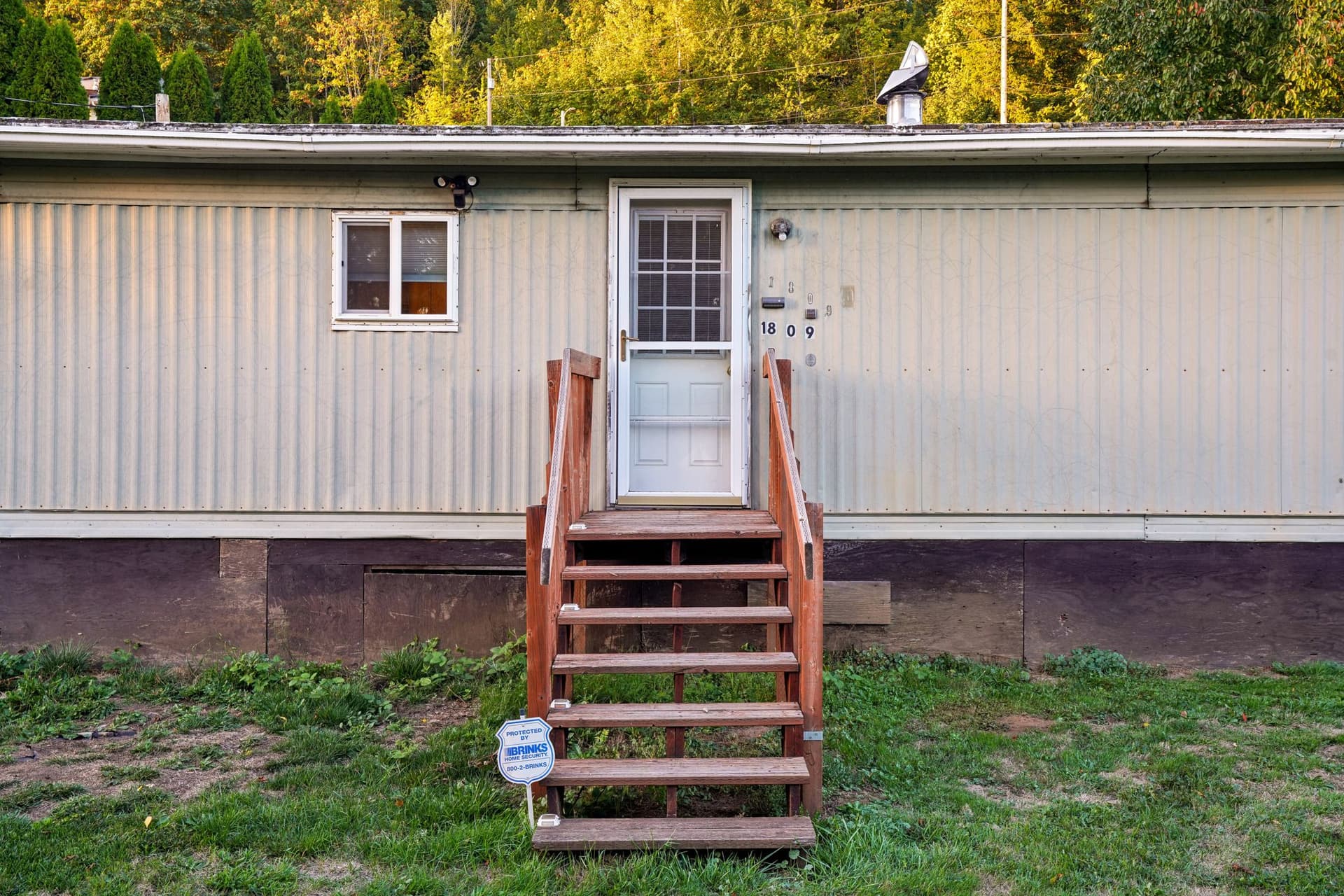
Selling a mobile or manufactured home in Texas differs from selling a site-built house because TDHCA ownership records, land status, liens, installation, taxes, and community rules can all affect the transfer. Confirm the records before marketing or signing a sale agreement.
Does TDHCA show the home as personal property or real property?
Texas manufactured-home ownership and lien records are maintained by the Texas Department of Housing and Community Affairs Manufactured Housing Division through a Statement of Ownership, not a vehicle title issued by TxDMV. The Statement identifies whether the home is treated as personal or real property. Search TDHCA records and follow its Statement of Ownership instructions before a transfer. TxDMV may be involved in a permit to move the home, which is a different issue from ownership recordation.
What changes if your home is on leased land in a park?
If the manufactured home is on leased land, the transaction may transfer the home without the land interest. Financing, park approval, right-of-first-refusal provisions, resident criteria, lease assignment, and transfer charges can affect the available buyer pool and timeline. Review the land lease and current community requirements with the closing provider or a Texas attorney before accepting an offer.
How do you sell a mobile home on your own land as real property?
A manufactured home may be reflected as real property only when TDHCA requirements and the relevant land-interest conditions are satisfied. Do not use a generic TxDMV title-retirement or affidavit-of-affixture instruction for Texas. Review the current Statement of Ownership, deed and legal description, liens, installation records, and TDHCA forms with the closing provider or a Texas attorney.
How do ownership-record complications affect a sale?
A direct buyer may consider a home with repair or ownership-record issues, but cannot bypass TDHCA, lien, tax, park, land, or transfer requirements. Verify the buyer's proposed process, as-is terms, costs, compensation, and contingencies in writing. No buyer should promise a clean transfer before reviewing the TDHCA and land records.
How long does the whole process typically take?
Timing depends on TDHCA record status, a complete application, liens, taxes, land rights, park approval, moving or installation issues, contract terms, and the closing provider. TDHCA publishes its own processing guidance, but that is not a guaranteed property-closing date. Obtain a transaction-specific timeline after the records are reviewed.
What records should you gather before starting a transaction?
Locate the TDHCA Statement of Ownership or search result, serial number, HUD label or Texas Seal, lien information, tax records, purchase documents, and any deed or land lease. If the home is in a community, gather the lease and transfer requirements. Ask TDHCA and the closing provider what application, release, affidavit, or real-property documentation is required; a buyer cannot reconstruct official ownership records on its own.
What if the home differs from its TDHCA ownership or location record?
A changed location, ownership history, serial-number mismatch, additions, or lien discrepancy may require TDHCA forms, supporting evidence, inspection, tax clearance, or legal work. Contact TDHCA and the closing provider early. A buyer's experience does not replace an accepted application or official record correction.
What condition issues are common in older manufactured homes?
Age, HUD Code status, roof, skirting, tie-downs, subfloor, utilities, installation, and water damage can affect habitability, financing, insurance, price, and transfer requirements. A direct buyer may propose an as-is purchase, but repairs and seller responsibilities are not automatically waived; confirm them in the written contract after the property is reviewed.
Prepared by the Equity Path Offers team. Confirm current ownership, lien, land, and transfer requirements with TDHCA, the county, and qualified advisers before signing.